Professional lawn disease treatment in Westfield for brown patch, dollar spot, and red thread with fast fungicide applications.
Local Lawn Disease Treatment Expertise
In Westfield, lawn disease treatment stops fungal infections before they spread. Brown patches, dollar spot, and red thread thrive in our humid Indiana climate. Fast professional diagnosis and targeted fungicide applications restore your lawn to health.
Our process is built on accurate diagnosis, strategic treatment, and follow-up care to keep your Westfield lawn disease-free year-round.
We visit your Westfield property to identify the exact disease—brown patch, dollar spot, or red thread—and analyze soil conditions favoring spread.
We create a targeted plan addressing your specific fungus, including professional-grade fungicide application timing and cultural practice adjustments.
Professional application happens during optimal conditions—cool, dry weather. We monitor your lawn and adjust treatments based on recovery progress.
You'll always know what's happening next—and when.
Targeted treatments for Westfield lawns under disease pressure, combined with preventive care to build turf resilience.
Fungicide is most effective applied at disease onset. We apply professional-grade fungicides during cool mornings when coverage is optimal. For Westfield homeowners, spring through fall treatments—timed with brown patch, dollar spot, and red thread seasons—prevent severe outbreaks.
Prompt fungicide application at the first sign of symptoms stops disease spread before it damages large lawn sections.
Compacted soil and poor drainage create ideal conditions for fungal disease. Aeration relieves soil compaction, improves airflow through thatch, and reduces the moisture buildup that fungi thrive on.
Many Westfield yards benefit from aeration in fall, when cooler temps reduce stress. This prepares turf for spring growth and creates a less hospitable environment for disease pathogens through winter.
Red thread and dollar spot thrive on nitrogen-deficient turf. Balanced fertilization strengthens grass blades, making them resistant to fungal penetration. We develop spring and fall feeding schedules that keep nitrogen at ideal levels without overstimulating growth.
Fast action saves time, money, and curb appeal. Untreated lawn disease spreads rapidly in Westfield's humid climate, killing large sections and requiring costly sod replacement.
Westfield's warm, humid summers and inconsistent rainfall create perfect conditions for brown patch, dollar spot, and red thread. These fungi need moisture, warm temps, and stressed turf—all common in our region.
Even well-maintained lawns can show disease symptoms when environmental conditions align. Professional early diagnosis prevents minor patches from becoming widespread problems affecting neighborhoods like Chatham Hills and Bridgewater Club.
Preventive fungicide treatments and cultural adjustments cost far less than recovering a severely damaged lawn. Strategic spring applications target disease before it takes hold.
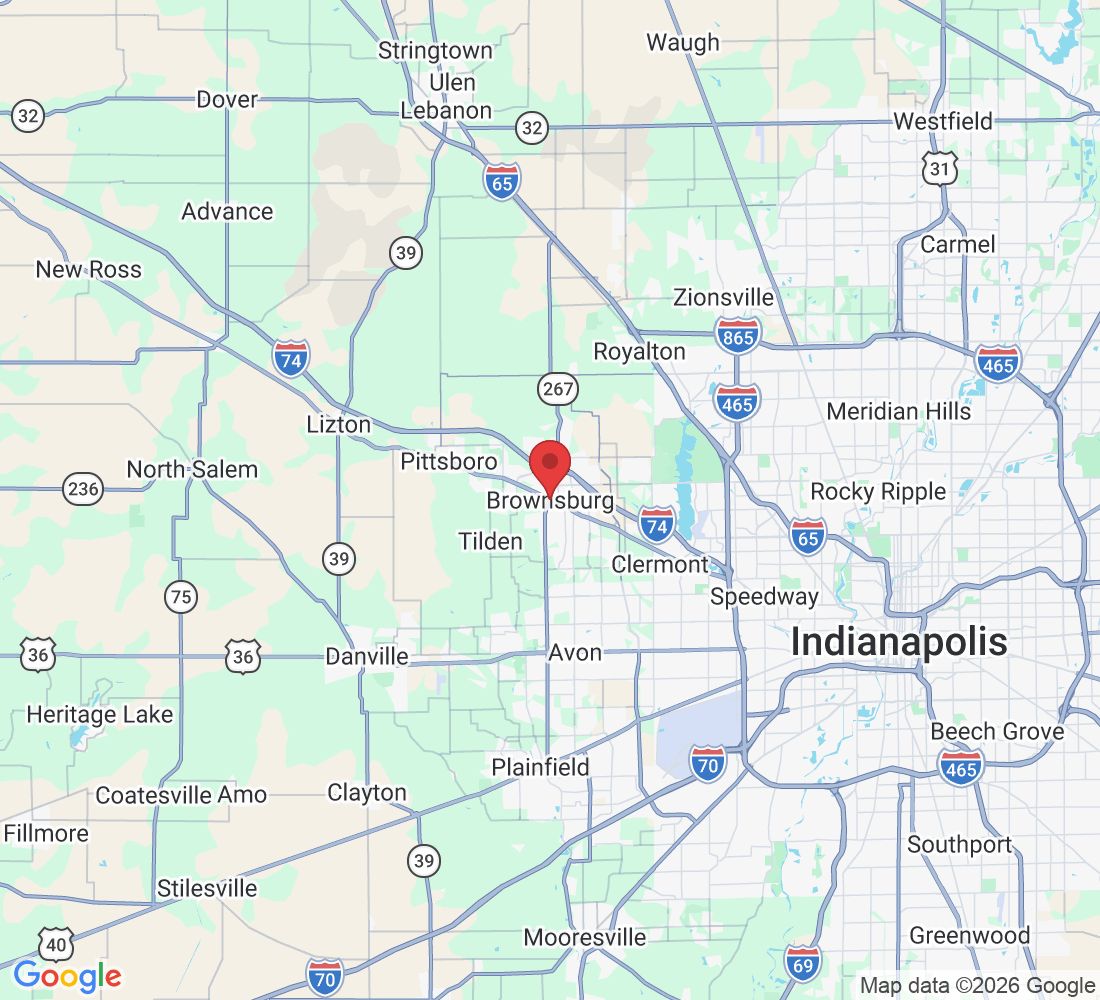
We serve every neighborhood in Westfield, from Maple Knoll to Grand Park areas, with local expertise in Hamilton County turf diseases.
Our location north of Indianapolis places us in a humid continental climate zone. Hot, humid summers combined with spring and fall moisture create multiple disease windows each year. We know Westfield lawns and what threats arrive each season.
Common questions about lawn disease treatment in Westfield.
Warm, humid weather; compacted soil; poor drainage; and nitrogen imbalances create conditions where fungal spores activate into damaging disease.
In Westfield's humid climate, untreated disease can double in size every 7–10 days during optimal conditions, making early treatment critical.
Spring and fall treatments work best in Westfield. Cool, dry mornings optimize fungicide coverage and reduce plant stress from application.
Aeration, proper fertilization, improved drainage, and correct mowing height reduce disease risk. Prevention often avoids the need for fungicide entirely.
Most Westfield lawns show recovery within 2–4 weeks after treatment, with full recovery depending on disease severity and weather conditions.
Preventive spring and fall applications reduce reinfection risk. Most Westfield homeowners continue seasonal care to avoid costly future outbreaks.
DISCOVER WHAT OUR CUSTOMERS HAVE TO SAY ABOUT US